- Español
- English

 Facebook
 Twitter
Secretaría para el Fortalecimiento de la Democracia (SFD)
Fortaleciendo la Democracia en el Hemisferio
Oficina Ejecutiva
Cooperación y Observación Electoral
Gestión Pública Efectiva
Sustentabilidad Democrática y Misiones Especiales
Promoción de la Paz y Coordinación con Gobiernos Subnacionales
- __________________________________________
Publicaciones
Nuestro Equipo




Nuestra Misión
Contribuir al fortalecimiento de los procesos políticos de los Estados miembros, en particular al sostenimiento de la democracia como la mejor opción para garantizar la paz, la seguridad y el desarrollo. La Secretaría para el Fortalecimiento de la Democracia (SFD) concentra sus acciones en fortalecer el papel de la Organización como eje central del Sistema Interamericano en el campo político y en contribuir activamente al sostenimiento democrático en los Estados miembros.
En cumplimiento de sus objetivos, la Secretaría desempeña funciones encaminadas a ampliar la legitimidad institucional en los procesos políticos y a fortalecer los mecanismos que conlleven al sostenimiento de los mismos.
La Secretaría esta compuesta por la Oficina Ejecutiva del Secretario para el Fortalecimiento de la Democracia y por las siguientes dependencias:
MENSAJE DEL SECRETARIO PARA EL FORTALECIMIENTO DE LA DEMOCRACIA
El perfeccionamiento democrático de las Américas implica una agenda perpetuamente inacabada, un proceso dinámico que coincide con la progresiva expansión de los derechos y libertades de los casi 1,000 millones de personas que habitan en el Hemisferio Occidental. La Carta de la Organización de los Estados Americanos (OEA) establece el propósito esencial de “promover y consolidar la democracia representativa dentro del respeto al principio de no intervención”. Ese propósito, que los Estados Miembros también consagraron mediante la suscripción de la Carta Democrática Interamericana, inspira la labor de la Secretaría para el Fortalecimiento de la Democracia (SFD/OEA), cuyo trabajo cotidiano constituye una herramienta de que disponen los Estados Miembros en la consolidación de sus regímenes democráticos.
La SFD/OEA acompaña a los países que así lo soliciten mediante iniciativas en temas tan diversos como la observación y la cooperación electoral, el buen gobierno, la prevención de conflictos sociales, el diálogo interparlamentario, la universalización de la identidad civil, la innovación en la gestión pública, entre otros. De esta manera, constituye un brazo técnico al servicio de los Estados Miembros en la profundización de sus democracias, el mejoramiento de la institucionalidad gubernamental, el fortalecimiento del Estado de Derecho, y en general en la defensa y promoción de los valores democráticos reconocidos internacionalmente y ratificados en los distintos instrumentos jurídicos de la Organización.
Con una visión estratégica clara y la ruta trazada por la XLV Asamblea General de la OEA, la SFD/OEA se encuentra en proceso de remozar sus funciones y contribuir a una Secretaría General renovada, sumándose a los esfuerzos del Secretario General Luis Almagro por modernizar la labor de la Organización y trabajar en la construcción de una OEA más eficiente y más cercana a la gente, una OEA que sea cada vez más útil en la solución de los problemas de los distintos países y en la búsqueda de un futuro de bienestar para los ciudadanos del hemisferio.
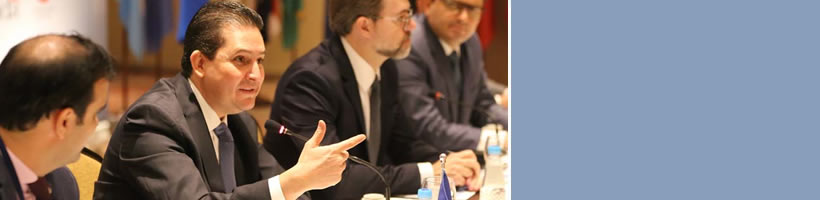
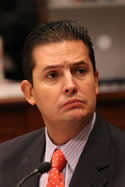
Dr. Francisco Javier Guerrero Aguirre
Secretario para el Fortalecimiento de la Democracia - Ver Biografía »
Secretario para el Fortalecimiento de la Democracia - Ver Biografía »
Dr. Francisco Javier Guerrero Aguirre
Doctor en Relaciones Internacionales y Maestro en Análisis de Conflictos Internacionales, ambos por la Universidad de Kent en Canterbury, Inglaterra. Es licenciado en Derecho titulado con mención honorífica por la UNAM.
En el ámbito académico, fue Fundador y Coordinador del Doctorado en Gestión Estratégica y Políticas del Desarrollo y de la Maestría en Economía y Gobierno, así como Titular de la Cátedra sobre Reformas Estructurales de la Facultad de Economía y Negocios de la Universidad Anáhuac México Norte.
Ha sido Coordinador Académico de diversos cursos, seminarios y diplomados; Investigador Visitante en diferentes países; y ha impartido clases a nivel doctorado, maestría y licenciatura, así como en diversos diplomados y seminarios.
En enero de 2008, fue elegido como uno de los cinco beneficiarios mexicanos de la reconocida Beca Eisenhower.
Dentro de sus áreas de especialización destacan: Electoral, Políticas públicas, Asuntos internacionales, Democracia y transición política, Gobierno y Transparencia, entre otros.
Es autor de: El papel de la radio y la televisión en el nuevo modelo de comunicación política: Lecciones para México; El voto de los mexicanos en el extranjero: Antecedentes, reflexiones y una mirada hacia el futuro; y, El modelo sancionador de quejas y denuncias y el control de la legalidad electoral. Y ha participado en diversos libros.
Ha sido articulista en diversos diarios de circulación nacional, revistas y publicaciones especializadas. Colaborador en el periódico Excélsior con la columna Punto de equilibrio, comentarista en Frente al país, de Imagen radio 90.5 AM, conductor de Zona de Encuentro, en Horizonte 107.9 AM, del Instituto Mexicano de la Radio y miembro del programa Primer Plano del canal 11, del Instituto Politécnico Nacional.
En su trayectoria profesional, fue Asesor del Procurador General de Justicia del Distrito Federal; Asesor del Secretario del Trabajo y Previsión Social; Coordinador General de Atención al Derechohabiente del ISSSTE; Coordinador General de Asuntos Internacionales en la Secretaria del Trabajo y Previsión Social; Presidente del Icadep, a.c.; Subcomisionado Nacional “A” de la Conamed; Coordinador de Asesores del Presidente del Senado de la República, durante las lviii y lix Legislaturas; Director General de la Fundación José Luis Lamadrid, a.c.; Director General del Centro de Estudios Sociales y de Opinión Pública en la Cámara de Diputados; y Consejero Electoral del IFE de 2008 a 2013.
Actualmente es Secretario para el Fortalecimiento de la Democracia de la Organización de Estados Americanos.